
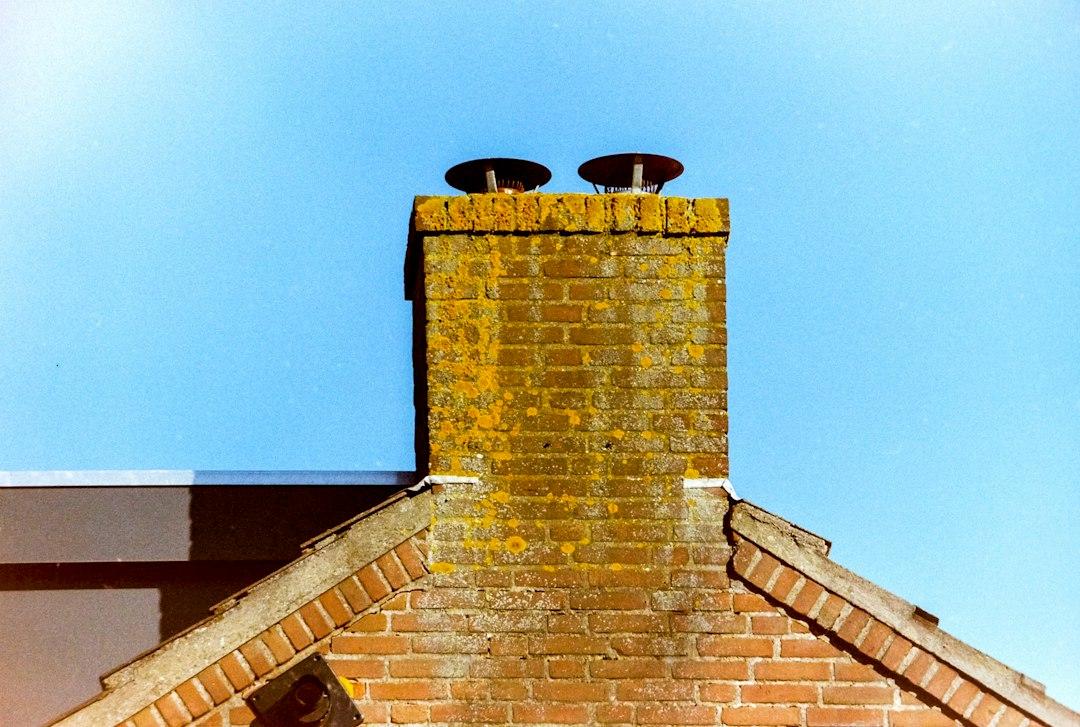
Does this repair need a permit? The quote tells you before work starts
Ask about a repair
Tell us what the inspection found and the address. We call back to set a visit and quote the repair in writing.
The permit question
Owners ask it the same way: do I need to pull a permit for this? The answer comes from the city's building department, not from us, and it depends on the job. As a rule of thumb, replacing a part like for like on an existing chimney usually stays out of the permit process, while work that changes the structure, adds a gas appliance, or rebuilds a large section usually goes through it.
Each Briscoe quote has a line on this. Where we expect the job to need a permit and an inspection, the quote says so, and the schedule allows for the city visit. Where we do not, the quote says that too. If the city decides differently, we follow the city.
Jobs that usually do and usually do not
Caps, sweeps, damper fixes and small mortar repairs are routine maintenance and rarely bring in the city. Leak tracing and flashing repair on an existing stack usually sit in the same group. Fitting a gas insert, running new gas line, building a new fireplace, relining a flue for a new appliance, or rebuilding a chimney above the roof are the jobs where a permit and an inspection are most often required.
Rentals add a second reason to keep the paperwork straight. A permitted job with a final sign-off is easy to show a buyer, a lender or a tenant. An unpermitted gas conversion can come up at the next sale and cost more to sort out than it saved.
- Usually no permit: cap, sweep, damper repair, small mortar repair, flashing on an existing stack
- Often a permit: gas insert, new gas line, new fireplace, relining for a new appliance, rebuild above the roof
How sign-off works
When a job needs a permit, the application is filed before work starts, the work is done to the approved scope, and the city inspector visits to check it. Some jobs have an inspection partway through, such as a liner before it is closed in. The job is complete when the inspector signs it off.
We tell the owner or manager which stage the job is at, and when it is finished we add completion photos and the sign-off details to the record for that chimney. For a rental, that page goes in the unit file next to the original inspection.
Common fixes and their prices
These fixes have published prices. The cap is quoted after we measure. Crowns, liners, dampers, chase covers and flashing on its own are quoted in writing after a visit.
- Finding and stopping a chimney leak
- $530 to $3,150
- Water diverter behind a wide stack
- $425 to $955
- Diverter together with new flashing
- $635 to $1,600
- Gas unit fitted into the current firebox
- $2,650 to $5,300
- Camera check before or after a repair
- $370
- New cap on the flue top
- Quoted after we measure
Any permit fee set by the city is separate from these prices and is shown on the quote when a permit applies.
Permit questions we hear
Who decides whether my repair needs a permit?
The city's building department. Our quote says whether we expect one, based on the kind of job, and we follow the city's call.
Does a new chimney cap need a permit?
Usually not. A cap on an existing flue is routine maintenance. A fitted cap is quoted after we measure. Custom and oversized caps are quoted on site.
Does a gas insert need a permit?
It usually does, because it adds a gas appliance and often a liner. Our quote allows for the permit and the inspector's visit.
Is the permit fee in your price?
No. City fees are separate and are listed on the quote when a permit applies.
What do I get when the job is signed off?
Completion photos and the sign-off details on the record for that chimney, ready for a unit file, a buyer or a lender.
Know the permit answer before the work starts
Tell us what the inspection found through the form or the contact page, and we quote the repair in writing with the permit question answered.
Call (626) 557-0454