
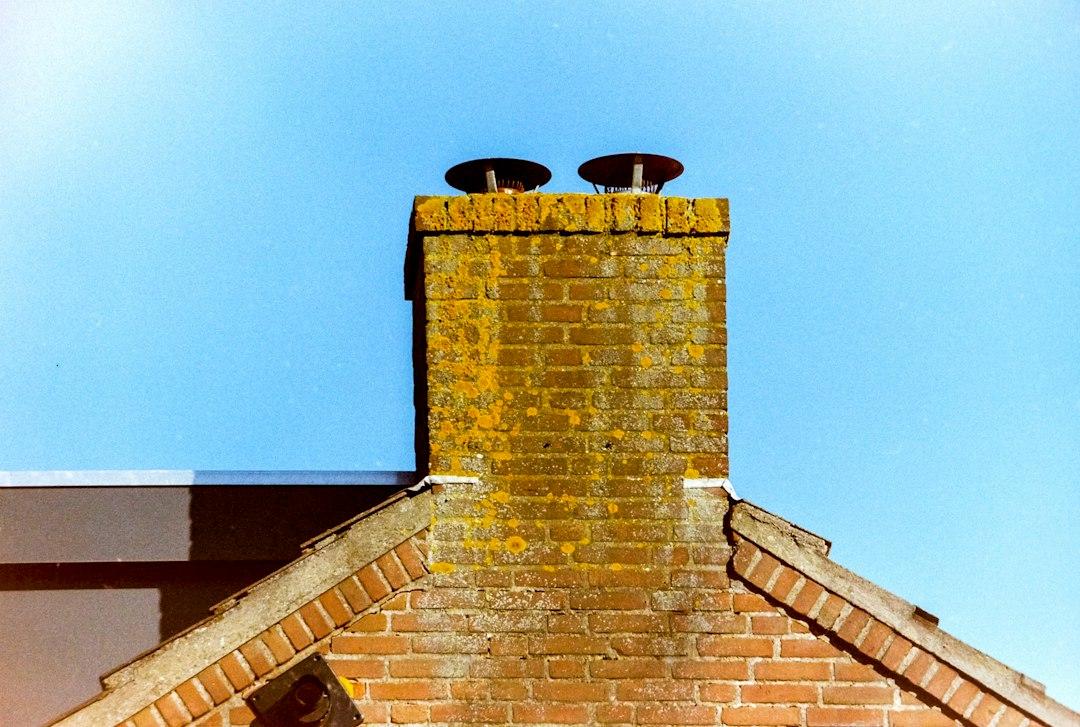
Chimney Sweeps for Baldwin Park Rentals, Planned Around the People Living There
Book Chimney Sweep
Give the address, the unit count and what the tenant reported. We call back to set the access window.
Scope of the Job
Rental fireplaces get used unevenly. One tenant burns every weekend, the next never lights it, so we sweep to the condition we find rather than to a calendar. The technician books an access window with the tenant or the on-site manager, covers the floor, brushes the flue, empties the smoke shelf and vacuums out. The owner gets a dated record naming the unit, what came out and anything that needs a second look. Sweeps run from $395.
Booking a sweep when someone else lives there
A sweep in an owner's own house is one phone call. In a rental it is a notice, a key, a tenant who works nights and a dog that has to be shut in the back room. We plan for all of that. When you book, give us the unit, the tenant contact and the entry window your lease allows, and we agree the slot with you before anyone calls the tenant. Inside the unit, a covered path runs across the tenant's floor to the fireplace, the opening is sealed off, and runs a HEPA vacuum while the brush works the flue from the roof or from below. Tenants tend to care about two things: soot on their floor and how long a stranger is in the living room. We keep the first off the floor and the second short. The sweep is priced from $395 per flue. Where a building has several fireplaces, each flue is its own line on the invoice, so the charge can be filed against the right unit or passed to the right owner without anyone splitting a lump sum.
What comes out of the flue tells you how the unit is being used. A thin layer of dry soot means a handful of fires a winter. Thick, flaky creosote means a tenant who burns most evenings, often with damp or scrap wood. Shiny, tar-like glaze means slow smouldering fires with the damper half shut; it does not brush off, and removing it is priced on its own before we touch it. Leaves, twigs and nest scraps on the ledge behind the damper mean the top of the flue is open to the weather. Each of these goes into the note we leave for the owner or manager, in plain words, with the property address and unit at the top. That note earns its keep later. If a tenant reports smoke in the room, or an adjuster or a buyer asks when the flue was last cleaned, you have a dated record instead of a guess. If the brush turns up a cracked tile or a loose brick, we stop and write it down rather than sweeping past it.
Sweeping a whole building or a group of houses
HOA buildings and small portfolios are where a sweep schedule pays off. Fireplaces under one roof get swept on one visit, with one ladder setup and one round of notices to residents, instead of a separate call per unit spread across the season. Before the visit we ask for a list: unit numbers, which units have wood fireplaces and which have gas, and any where the resident says they never burn. Units that never burn still get a look at the top of the flue, because an unused chimney is the one most likely to fill with nests and leaves without anyone noticing. On the day we work down the list and mark each unit as swept, skipped with a reason, or flagged. Skipped usually means no access: nobody home, a locked side gate, a hearth blocked by furniture the resident did not move. Those come back to you as a short list to rebook, rather than turning up later as a surprise line on the invoice.
At the end you receive one summary for the property and one line per flue. Each line says what was removed, whether the damper opens and shuts, whether a cap is in place and sound, and whether anything needs a closer look. Anything that needs a closer look is kept apart from the sweep price. A flagged flue usually leads to a Level 1 inspection at $52, or to a Level 2 at $370 where the trouble sits inside the flue and out of sight from either end. Repairs never start on a sweep visit without your written go-ahead. For a board, or an owner who lives in another city, that rule matters: nobody receives a bill for work they did not approve, and the tenant does not hear about a repair before the person paying for it has. If you manage the same addresses every year, the summary keeps the same layout each time, so one season can be laid next to the last and the changes are easy to spot.
How Briscoe Chimney Services Handles Rentals
Scope in Writing
Line prices sent to the owner before work
Tenant Windows
Access booked with the tenant or manager
Unit Records
A dated page for every unit visited
Use or Hold
A plain call on whether the fireplace stays in use
Booking Chimney Sweep in your city
Choose the city where the building sits. Its page covers the usual building types there and how visits are grouped on that run.
CA
Chimney Sweep in Baldwin Park
Only 58% of homes here are owner-occupied, so plenty of these post-war brick and block stacks heat rented rooms. Where a unit now burns gas logs, we test the burner, look down the flue and file a dated sheet under that address.
City scope and recordsCA
Chimney Sweep in West Covina
The typical postwar tract here got one brick chimney, often with steel inside, and every one is now decades old. With 77% of homes built before 1980, we book a portfolio by address and keep a separate inspection record for every unit.
City scope and recordsCA
Chimney Sweep in Temple City
Here 80% of homes are detached, and one lot may hold an aging brick stack while the next holds a rebuilt house with a gas fireplace. An owner with both types gets one visit plan and a line item per fireplace.
City scope and recordsCA
Chimney Sweep in San Gabriel
Only half the homes are owner-occupied, and older streets keep brick chimneys built before modern seismic rules. For a landlord holding Craftsman houses and apartments, we inspect each flue and sign off unit by unit.
City scope and recordsCA
Chimney Sweep in Monrovia
Renters and owners split fairly evenly, with 46% of homes owner-occupied, and 28% of the stock went up before 1950. A manager can book several flues in one visit, each with its own sign-off sheet.
City scope and recordsOther Jobs Owners Book
Chimney Inspection
NFPA 211 inspections written up per unit, so an owner, board or manager can file the findings and act on them.
Read the scopeChimney Repair
Masonry, crown, liner and firebox faults repaired to a written scope, so the owner signs off on cost before a crew arrives.
Read the scopeFireplace Inspection
Firebox, damper, hearth and surround checked from the room side, with each defect logged against the unit it belongs to.
Read the scopeFireplace Repair
Dampers, firebrick, smoke chambers and hearths repaired once the owner approves a written scope for that unit.
Read the scopeChimney Level 2 Inspection
A recorded video pass up the flue, plus the hidden parts a Level 1 cannot reach, for purchases, claims and changes of use.
Read the scopeChimney Cap Installation
Stainless caps measured and fitted on every flue of a building, with the cap type and size noted in each unit file.
Read the scopeChimney Flashing Repair
Leaks where the roof meets the brick traced and resealed, with the roofer and the owner working from one written scope.
Read the scopeChimney Masonry Repair
Mortar, brick and crown work priced per chimney, with photos so a board or owner can compare stacks across a property.
Read the scopeChimney Rebuilds
Stacks that are loose, leaning or cracked through taken down and rebuilt, with permits and inspections handled for the owner.
Read the scopeFireplace Cleaning
The firebox, grate, doors and hearth cleaned between tenants, so a unit shows well and the next renter starts fresh.
Read the scopeGas Fireplace Cleaning
Gas units across a building cleaned on one schedule, each with a flame check and a carbon monoxide reading on the unit record.
Read the scopeGas Fireplace Repair
Pilots, igniters, valves and controls diagnosed with a meter, with the fix and the part number written into the unit file.
Read the scopeFireplace Remodel
Surrounds, hearths and mantels rebuilt for a unit upgrade, with clearances to code and the flue checked before finishes go on.
Read the scopeFireplace Inserts
Gas and wood inserts fitted with a full stainless liner, giving tenants a fireplace that lights with a switch and heats the room.
Read the scopePellet Stove Repair
Pellet stoves that stop feeding or shut down diagnosed part by part, with the vent pipe cleaned and the fix recorded.
Read the scopeWood Stove Repair
Wood stoves inspected and repaired, from the door seal to the stovepipe, before a tenant or owner fires them again.
Read the scopeGas Logs
Gas log sets chosen for the opening, piped and lit, giving a rental a fireplace with no ash and no wood to store.
Read the scopeChimney Seismic Retrofit
Masonry chimneys braced or reduced so a quake is less likely to drop brick on a walkway, a carport or a tenant.
Read the scopeChimney Crown Repair
Cracked or crumbling crowns sealed or recast, so rain stops working down into the brick and the unit below.
Read the scopeDryer Vent Cleaning
Laundry vents in units and shared rooms cleaned out to the hood outside, with airflow noted for each machine.
Read the scopeChimney Liner Installation
Stainless liners run inside cracked or unlined flues, so a unit's fireplace or gas appliance vents safely again.
Read the scopeChimney Leak Repair
Water at the chimney traced to the crown, cap, brick or flashing and repaired, before it ruins a tenant's ceiling.
Read the scopeChimney Waterproofing
A breathable water repellent applied to sound brick, slowing the soak-in that leads to spalling and interior stains.
Read the scopeChimney Damper Repair
Dampers that stick, drop or leak air repaired or replaced, cutting drafts and smoke complaints from the unit.
Read the scopeChimney Chase Cover
Rusted chase tops on framed chimneys replaced in stainless, stopping the leaks that stain walls in the unit below.
Read the scope