
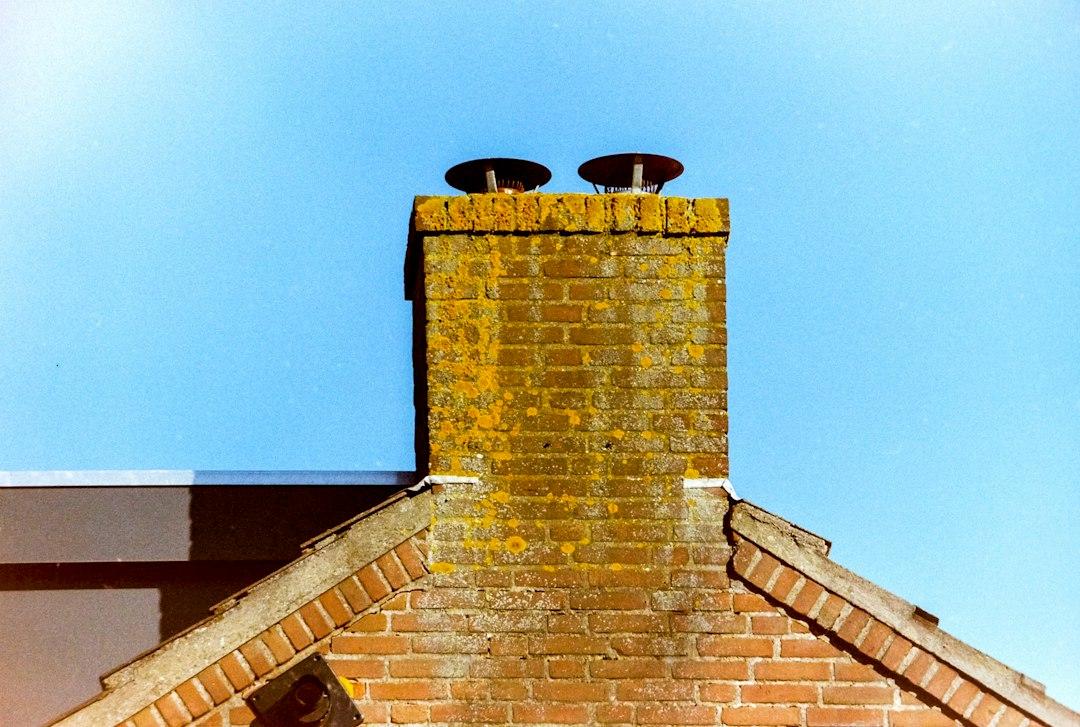
A Cap on Every Rental Flue, Logged by Address
Book Chimney Cap Installation
Give the address, the unit count and what the tenant reported. We call back to set the access window.
Scope of the Job
On a multi-unit roof, one missing cap lets rain and birds into one tenant's fireplace and sends a service call your way. We measure each flue, fit stainless single-flue or full-top caps with a spark screen, and fasten them to the tile or the crown. The roof gets a cap map so the next visit knows what is up there. Installed caps are quoted on site, and the price depends on size and style.
Why caps go missing on rental roofs
On an owner-occupied house, someone eventually looks up and sees the cap is gone. On a rental, nobody looks up. The cap rusts through, a Santa Ana gust lifts it off its screws, a roofer re-roofing the house sets it aside and never puts it back, and the flue stays open for years. The first sign is usually a tenant call: water in the firebox after a storm, scratching in the wall, a smell after an animal dies in the flue, or a fireplace that suddenly smokes into the room because the top is packed with leaves. Each of those calls costs more than the cap would have. A cap is a metal hood with a mesh screen around it, fixed to the top of the flue. It keeps rain out of the flue, keeps birds, squirrels and roof rats out of the chimney, and stops embers from landing on the roof or a neighbor's yard. We install them, and each is quoted after we measure. The price turns on the size of the flue, how many flues share the stack and the type of cap that fits.
In rental and HOA work the cap is also a record problem. A manager with twenty roofs rarely knows which ones have caps, which have the wrong size, and which have a cap that is still there but missing half its screen. So when we fit caps, we log them by address: flue size, cap type, fixing method, and the date. When we inspect a property that already has caps, we note their condition the same way, so you end up with one list that shows the state of every roof. That list is worth more than it sounds. When a tenant calls about a noise in the chimney, you can see in a few seconds whether that roof has a cap, and when it went on. When a board asks what it will cost to finish the job across a building, you can answer from the list instead of sending someone up a ladder to count. And when a unit changes hands, the cap is one line in the file the buyer's agent asks for.
Choosing and fitting the cap
Most single-family rentals need one of two caps. A single-flue cap fits over the top of one clay or metal flue and clamps or screws to it. A multi-flue cap, sometimes called a top-mount, sits over the whole top of a chimney that carries two or more flues, such as a fireplace and a furnace or water heater vent, and fastens to the masonry. Stainless steel lasts longest in the sun and marine air; galvanized steel is cheaper and rusts sooner. We measure each flue before ordering, because a cap that is too tight cracks the tile when it is forced on and one that is too loose blows off in the next windstorm. The mesh matters too. Too fine and it clogs with soot on a wood fireplace; too coarse and roof rats get through. Where a gas appliance vents into the chimney, the cap has to suit that appliance as well, and we check it before fitting rather than after a tenant reports a pilot that keeps going out.
Installing a cap is a roof job, so the tenant usually does not need to be home. We still book it through you and tell you the day, because a ladder against the side of a house and someone on the roof is the kind of thing a tenant calls the manager about. Before fitting, we look at the top of the chimney: the slab around the flue, the flue tile itself, and the mortar near the top. If the slab is cracked or the tile is broken, a cap on top is a short-term fix, and we will say so on the invoice rather than fitting it and leaving. If anything is in the flue when we arrive, such as a nest or a pile of leaves, it comes out first, and if an animal is still inside we stop and call you before going further. After fitting, the note for the unit records the cap, the date, and anything we saw at the top of the stack that should be quoted separately. If you are covering a building, we can fit caps roof by roof and send the list when it is done.
How Briscoe Chimney Services Handles Rentals
Scope in Writing
Line prices sent to the owner before work
Tenant Windows
Access booked with the tenant or manager
Unit Records
A dated page for every unit visited
Use or Hold
A plain call on whether the fireplace stays in use
Booking Chimney Cap Installation in your city
Choose the city where the building sits. Its page covers the usual building types there and how visits are grouped on that run.
CA
Chimney Cap Installation in Baldwin Park
Only 58% of homes here are owner-occupied, so plenty of these post-war brick and block stacks heat rented rooms. Where a unit now burns gas logs, we test the burner, look down the flue and file a dated sheet under that address.
City scope and recordsCA
Chimney Cap Installation in West Covina
The typical postwar tract here got one brick chimney, often with steel inside, and every one is now decades old. With 77% of homes built before 1980, we book a portfolio by address and keep a separate inspection record for every unit.
City scope and recordsCA
Chimney Cap Installation in Temple City
Here 80% of homes are detached, and one lot may hold an aging brick stack while the next holds a rebuilt house with a gas fireplace. An owner with both types gets one visit plan and a line item per fireplace.
City scope and recordsCA
Chimney Cap Installation in San Gabriel
Only half the homes are owner-occupied, and older streets keep brick chimneys built before modern seismic rules. For a landlord holding Craftsman houses and apartments, we inspect each flue and sign off unit by unit.
City scope and recordsCA
Chimney Cap Installation in Monrovia
Renters and owners split fairly evenly, with 46% of homes owner-occupied, and 28% of the stock went up before 1950. A manager can book several flues in one visit, each with its own sign-off sheet.
City scope and recordsOther Jobs Owners Book
Chimney Sweep
Flue brushed, smoke shelf emptied and the room left clean, with a dated sweep record filed under the unit address.
Read the scopeChimney Inspection
NFPA 211 inspections written up per unit, so an owner, board or manager can file the findings and act on them.
Read the scopeChimney Repair
Masonry, crown, liner and firebox faults repaired to a written scope, so the owner signs off on cost before a crew arrives.
Read the scopeFireplace Inspection
Firebox, damper, hearth and surround checked from the room side, with each defect logged against the unit it belongs to.
Read the scopeFireplace Repair
Dampers, firebrick, smoke chambers and hearths repaired once the owner approves a written scope for that unit.
Read the scopeChimney Level 2 Inspection
A recorded video pass up the flue, plus the hidden parts a Level 1 cannot reach, for purchases, claims and changes of use.
Read the scopeChimney Flashing Repair
Leaks where the roof meets the brick traced and resealed, with the roofer and the owner working from one written scope.
Read the scopeChimney Masonry Repair
Mortar, brick and crown work priced per chimney, with photos so a board or owner can compare stacks across a property.
Read the scopeChimney Rebuilds
Stacks that are loose, leaning or cracked through taken down and rebuilt, with permits and inspections handled for the owner.
Read the scopeFireplace Cleaning
The firebox, grate, doors and hearth cleaned between tenants, so a unit shows well and the next renter starts fresh.
Read the scopeGas Fireplace Cleaning
Gas units across a building cleaned on one schedule, each with a flame check and a carbon monoxide reading on the unit record.
Read the scopeGas Fireplace Repair
Pilots, igniters, valves and controls diagnosed with a meter, with the fix and the part number written into the unit file.
Read the scopeFireplace Remodel
Surrounds, hearths and mantels rebuilt for a unit upgrade, with clearances to code and the flue checked before finishes go on.
Read the scopeFireplace Inserts
Gas and wood inserts fitted with a full stainless liner, giving tenants a fireplace that lights with a switch and heats the room.
Read the scopePellet Stove Repair
Pellet stoves that stop feeding or shut down diagnosed part by part, with the vent pipe cleaned and the fix recorded.
Read the scopeWood Stove Repair
Wood stoves inspected and repaired, from the door seal to the stovepipe, before a tenant or owner fires them again.
Read the scopeGas Logs
Gas log sets chosen for the opening, piped and lit, giving a rental a fireplace with no ash and no wood to store.
Read the scopeChimney Seismic Retrofit
Masonry chimneys braced or reduced so a quake is less likely to drop brick on a walkway, a carport or a tenant.
Read the scopeChimney Crown Repair
Cracked or crumbling crowns sealed or recast, so rain stops working down into the brick and the unit below.
Read the scopeDryer Vent Cleaning
Laundry vents in units and shared rooms cleaned out to the hood outside, with airflow noted for each machine.
Read the scopeChimney Liner Installation
Stainless liners run inside cracked or unlined flues, so a unit's fireplace or gas appliance vents safely again.
Read the scopeChimney Leak Repair
Water at the chimney traced to the crown, cap, brick or flashing and repaired, before it ruins a tenant's ceiling.
Read the scopeChimney Waterproofing
A breathable water repellent applied to sound brick, slowing the soak-in that leads to spalling and interior stains.
Read the scopeChimney Damper Repair
Dampers that stick, drop or leak air repaired or replaced, cutting drafts and smoke complaints from the unit.
Read the scopeChimney Chase Cover
Rusted chase tops on framed chimneys replaced in stainless, stopping the leaks that stain walls in the unit below.
Read the scope