
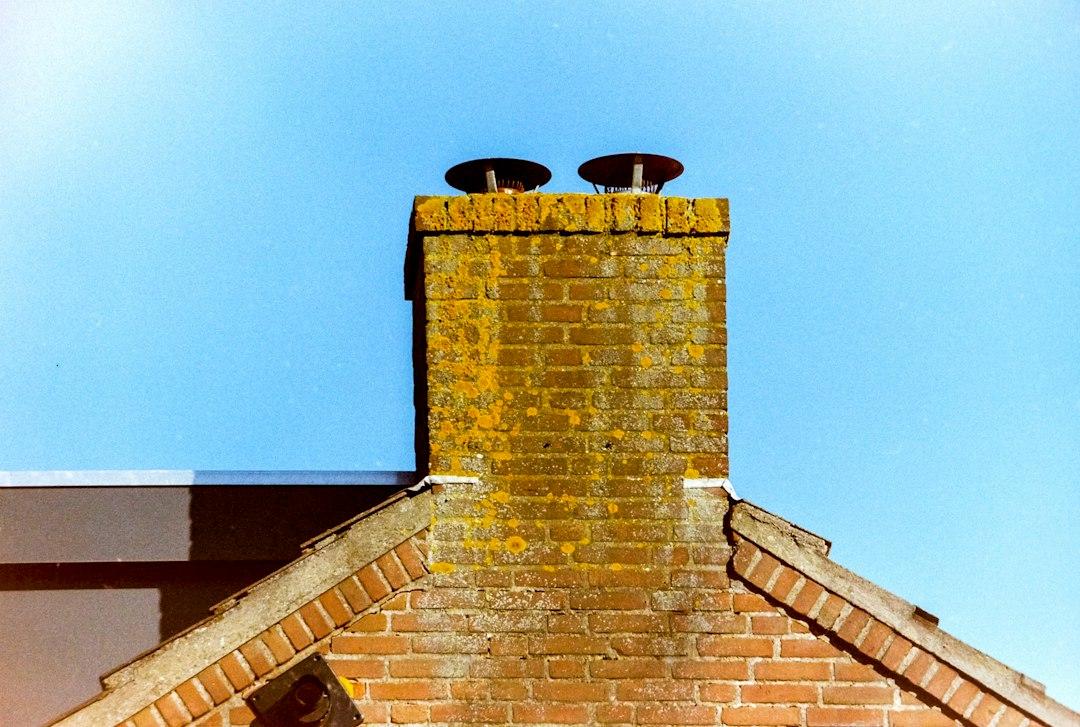
A New Flue Inside the Old Chimney, Recorded for the Owner
Book Chimney Liner Installation
Give the address, the unit count and what the tenant reported. We call back to set the access window.
Scope of the Job
A Level 2 often turns up cracked clay tile or a flue with no liner at all. Neither should vent a fire or a gas appliance. We size a stainless liner to the appliance it serves, run it from the firebox or connector to the top, insulate it where clearances call for it, and cap it. The camera record from before and after goes into the unit file. Liner jobs are priced in writing once the flue is scanned.
When a rental chimney needs a liner
Most brick chimneys have a flue made of clay tiles stacked one on top of another, and that flue is what carries smoke and exhaust safely past the wood of the house. Clay tiles crack. They crack from a chimney fire, from an earthquake, from age, and from the moisture that gas appliances put into a flue. Once a tile is cracked or a joint has opened, heat and exhaust can reach places they should not. A liner is a new flue, usually a stainless steel tube, run down inside the old one from the top to the appliance. On rental properties we see three reasons for one. A Level 2 inspection has found cracked or missing tiles. The owner is converting a wood fireplace to a gas insert, which needs a properly sized flue of its own. Or a furnace or water heater has been venting into a large old flue that is too big for it, and the exhaust is cooling and condensing on the way up.
We do not quote a liner without seeing the inside of the flue, because the reason for the liner decides what kind is needed. A liner for a wood fireplace or stove is sized to the opening or the stove outlet and is often insulated. A liner for a gas insert, a furnace or a water heater is sized to that appliance, which is smaller than most people expect. Where the old flue has offsets or a narrow section, the liner has to be flexible enough to pass them. At the top, the space around the liner is closed off and a cap goes on; at the bottom, the liner is connected to the appliance or the damper area. The written quote lists the liner type and size, the insulation if any, the work at the top and bottom, any permit, and the price, so the owner can compare it with the alternatives.
Installing a liner at a rental
Liner work happens mostly from the roof, with some time at the hearth or the appliance at the bottom. The tenant may need to be home for part of the visit, and the fireplace or appliance served by the flue is out of use until the work is done and tested. We book it through you, inside your notice window, and give you a short note for the tenant. If the liner serves a furnace or water heater, the tenant is told when the heat or hot water will be off. The old flue is swept before the liner goes in, and anything blocking it is cleared. Where a permit is needed, we pull it and book the inspection. After the install, the appliance is fired and the draft is checked, and for gas appliances a carbon monoxide reading is taken.
When the work is done, the manager receives a completion note with the address, the reason for the liner, the type and size, the length, any insulation, the cap, the permit details where there were any, and the test results. That note is worth keeping. A buyer's inspector will often ask whether a cracked flue was relined, and a lender or adjuster may ask the same. For a gas insert conversion, the note becomes part of the appliance record, so the yearly gas service knows what it is working with. For buildings with several chimneys, we can inspect and quote liners chimney by chimney, so the board or owner can plan the cost across more than one year if the findings allow it. The quote and the note both name the flue by unit, so there is no confusion about which liner went where in a shared stack.
How Briscoe Chimney Services Handles Rentals
Scope in Writing
Line prices sent to the owner before work
Tenant Windows
Access booked with the tenant or manager
Unit Records
A dated page for every unit visited
Use or Hold
A plain call on whether the fireplace stays in use
Booking Chimney Liner Installation in your city
Choose the city where the building sits. Its page covers the usual building types there and how visits are grouped on that run.
No city matches. Try the name of a neighboring city.
Other Jobs Owners Book
Chimney Sweep
Flue brushed, smoke shelf emptied and the room left clean, with a dated sweep record filed under the unit address.
Read the scopeChimney Inspection
NFPA 211 inspections written up per unit, so an owner, board or manager can file the findings and act on them.
Read the scopeChimney Repair
Masonry, crown, liner and firebox faults repaired to a written scope, so the owner signs off on cost before a crew arrives.
Read the scopeFireplace Inspection
Firebox, damper, hearth and surround checked from the room side, with each defect logged against the unit it belongs to.
Read the scopeFireplace Repair
Dampers, firebrick, smoke chambers and hearths repaired once the owner approves a written scope for that unit.
Read the scopeChimney Level 2 Inspection
A recorded video pass up the flue, plus the hidden parts a Level 1 cannot reach, for purchases, claims and changes of use.
Read the scopeChimney Cap Installation
Stainless caps measured and fitted on every flue of a building, with the cap type and size noted in each unit file.
Read the scopeChimney Flashing Repair
Leaks where the roof meets the brick traced and resealed, with the roofer and the owner working from one written scope.
Read the scopeChimney Masonry Repair
Mortar, brick and crown work priced per chimney, with photos so a board or owner can compare stacks across a property.
Read the scopeChimney Rebuilds
Stacks that are loose, leaning or cracked through taken down and rebuilt, with permits and inspections handled for the owner.
Read the scopeFireplace Cleaning
The firebox, grate, doors and hearth cleaned between tenants, so a unit shows well and the next renter starts fresh.
Read the scopeGas Fireplace Cleaning
Gas units across a building cleaned on one schedule, each with a flame check and a carbon monoxide reading on the unit record.
Read the scopeGas Fireplace Repair
Pilots, igniters, valves and controls diagnosed with a meter, with the fix and the part number written into the unit file.
Read the scopeFireplace Remodel
Surrounds, hearths and mantels rebuilt for a unit upgrade, with clearances to code and the flue checked before finishes go on.
Read the scopeFireplace Inserts
Gas and wood inserts fitted with a full stainless liner, giving tenants a fireplace that lights with a switch and heats the room.
Read the scopePellet Stove Repair
Pellet stoves that stop feeding or shut down diagnosed part by part, with the vent pipe cleaned and the fix recorded.
Read the scopeWood Stove Repair
Wood stoves inspected and repaired, from the door seal to the stovepipe, before a tenant or owner fires them again.
Read the scopeGas Logs
Gas log sets chosen for the opening, piped and lit, giving a rental a fireplace with no ash and no wood to store.
Read the scopeChimney Seismic Retrofit
Masonry chimneys braced or reduced so a quake is less likely to drop brick on a walkway, a carport or a tenant.
Read the scopeChimney Crown Repair
Cracked or crumbling crowns sealed or recast, so rain stops working down into the brick and the unit below.
Read the scopeDryer Vent Cleaning
Laundry vents in units and shared rooms cleaned out to the hood outside, with airflow noted for each machine.
Read the scopeChimney Leak Repair
Water at the chimney traced to the crown, cap, brick or flashing and repaired, before it ruins a tenant's ceiling.
Read the scopeChimney Waterproofing
A breathable water repellent applied to sound brick, slowing the soak-in that leads to spalling and interior stains.
Read the scopeChimney Damper Repair
Dampers that stick, drop or leak air repaired or replaced, cutting drafts and smoke complaints from the unit.
Read the scopeChimney Chase Cover
Rusted chase tops on framed chimneys replaced in stainless, stopping the leaks that stain walls in the unit below.
Read the scope