
Gas Logs That Take the Wood Out of a Rental Fireplace
Book Gas Logs
Give the address, the unit count and what the tenant reported. We call back to set the access window.
Scope of the Job
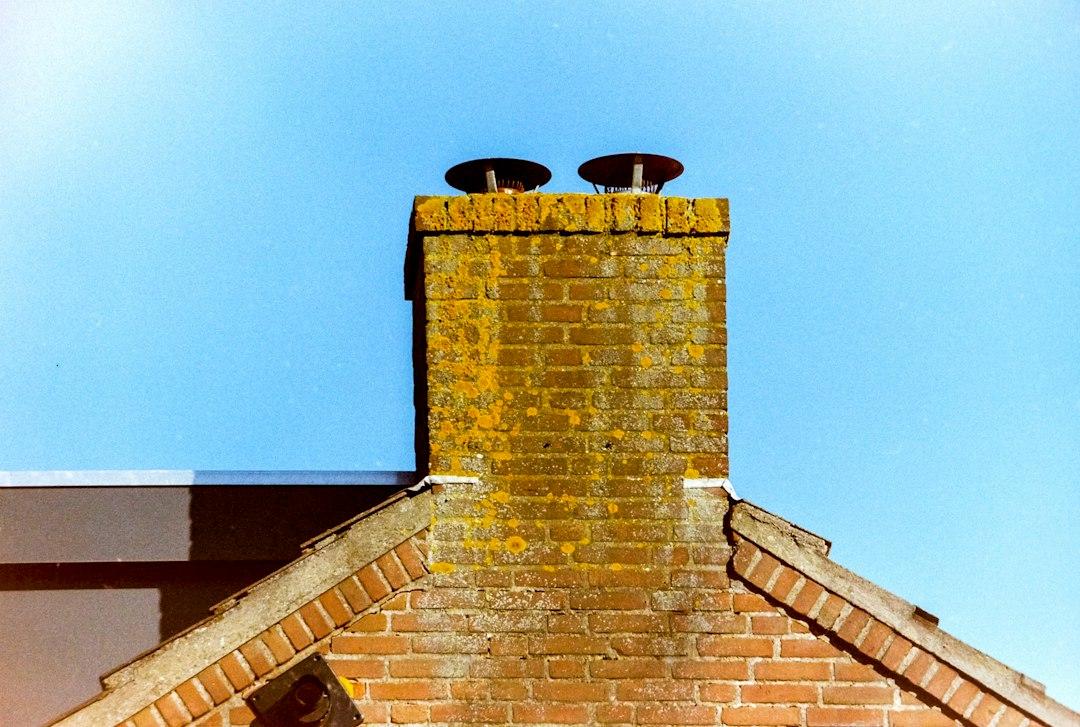
Gas logs suit rentals where the owner wants a working fireplace without wood fires. We measure the opening, recommend a vented or vent-free set that fits the room, and run the gas line. On a vented set the damper is fixed partly open so exhaust always has a way out, and the cap above is checked. Tenants get a one-page lighting sheet. Installation is priced after we see the fireplace.
Gas logs as a rental choice
Gas logs are the lighter of the two ways to take wood out of a rental fireplace. An insert is a sealed box that heats the room. A log set is a gas burner with logs shaped to look like wood, set into the existing firebox and lit with a key, a switch or a remote. It costs less than an insert and installs faster, and for an owner whose main aim is to stop tenants burning wood, it often does the job. The trade-off is heat. A vented log set is mostly for looks, and much of its warmth goes up the chimney. There are also vent-free sets, which run with the flue closed. We usually recommend vented sets for rentals, because vent-free sets add moisture and combustion products to the room and depend on the tenant using them within limits that are hard to enforce in a home you do not live in.
A vented log set needs an open flue all the time it runs. Code requires the damper to be held partly open permanently with a clamp, so nobody can light the logs with the flue shut. That means the chimney is permanently open to the weather and to animals, and on a rental roof nobody watches, a cap is not optional. Before we install a set, we sweep and inspect the flue, clear the ledge behind the damper, and fit or check the cap. We also look at the gas supply. Many older fireplaces have a log lighter pipe, which may or may not be suitable for a full log set; where it is not, a proper gas line and shut-off valve are part of the quote. The firebox is measured so the set fits without crowding the opening, and the logs and burner are chosen with you before ordering.
Installing, testing and handing over
Gas log installation is quoted after a visit, because the gas line work varies so much from house to house and the set itself depends on the size of the firebox and the style chosen. The quote lists the set, the burner, the gas line work, the damper clamp, the cap if one is needed, any permit, and the price. Once you approve it, the job is booked through you, inside your notice window, and in a vacant unit it fits in with the other turnover trades. On the day, the set is placed as the maker shows, the clamp is fitted on the damper, and every gas connection is tested for leaks. The set is then lit and watched: the flame, the draft at the opening, and a carbon monoxide reading in the room.
Before we leave, the tenant, or the manager if the unit is vacant, is shown how to light and shut down the set, and a one-page sheet is left for the unit: how to light it, what a normal flame looks like, why the damper stays open, what to do if it will not light, and what to do if they ever smell gas. The manager receives the completion note with the model, the gas line work and the test results. A yearly gas service keeps the burner ports clear and the logs in the right place, and gives us a reason to look up the flue for anything that has moved in. For buildings with several fireplaces of the same size, we can quote log sets across all of them at once, so the conversion is planned and recorded in one go.
How Briscoe Chimney Services Handles Rentals
Scope in Writing
Line prices sent to the owner before work
Tenant Windows
Access booked with the tenant or manager
Unit Records
A dated page for every unit visited
Use or Hold
A plain call on whether the fireplace stays in use
Booking Gas Logs in your city
Choose the city where the building sits. Its page covers the usual building types there and how visits are grouped on that run.
CA
Gas Logs in Baldwin Park
Only 58% of homes here are owner-occupied, so plenty of these post-war brick and block stacks heat rented rooms. Where a unit now burns gas logs, we test the burner, look down the flue and file a dated sheet under that address.
City scope and recordsCA
Gas Logs in West Covina
The typical postwar tract here got one brick chimney, often with steel inside, and every one is now decades old. With 77% of homes built before 1980, we book a portfolio by address and keep a separate inspection record for every unit.
City scope and recordsCA
Gas Logs in Temple City
Here 80% of homes are detached, and one lot may hold an aging brick stack while the next holds a rebuilt house with a gas fireplace. An owner with both types gets one visit plan and a line item per fireplace.
City scope and recordsCA
Gas Logs in San Gabriel
Only half the homes are owner-occupied, and older streets keep brick chimneys built before modern seismic rules. For a landlord holding Craftsman houses and apartments, we inspect each flue and sign off unit by unit.
City scope and recordsCA
Gas Logs in Monrovia
Renters and owners split fairly evenly, with 46% of homes owner-occupied, and 28% of the stock went up before 1950. A manager can book several flues in one visit, each with its own sign-off sheet.
City scope and recordsOther Jobs Owners Book
Chimney Sweep
Flue brushed, smoke shelf emptied and the room left clean, with a dated sweep record filed under the unit address.
Read the scopeChimney Inspection
NFPA 211 inspections written up per unit, so an owner, board or manager can file the findings and act on them.
Read the scopeChimney Repair
Masonry, crown, liner and firebox faults repaired to a written scope, so the owner signs off on cost before a crew arrives.
Read the scopeFireplace Inspection
Firebox, damper, hearth and surround checked from the room side, with each defect logged against the unit it belongs to.
Read the scopeFireplace Repair
Dampers, firebrick, smoke chambers and hearths repaired once the owner approves a written scope for that unit.
Read the scopeChimney Level 2 Inspection
A recorded video pass up the flue, plus the hidden parts a Level 1 cannot reach, for purchases, claims and changes of use.
Read the scopeChimney Cap Installation
Stainless caps measured and fitted on every flue of a building, with the cap type and size noted in each unit file.
Read the scopeChimney Flashing Repair
Leaks where the roof meets the brick traced and resealed, with the roofer and the owner working from one written scope.
Read the scopeChimney Masonry Repair
Mortar, brick and crown work priced per chimney, with photos so a board or owner can compare stacks across a property.
Read the scopeChimney Rebuilds
Stacks that are loose, leaning or cracked through taken down and rebuilt, with permits and inspections handled for the owner.
Read the scopeFireplace Cleaning
The firebox, grate, doors and hearth cleaned between tenants, so a unit shows well and the next renter starts fresh.
Read the scopeGas Fireplace Cleaning
Gas units across a building cleaned on one schedule, each with a flame check and a carbon monoxide reading on the unit record.
Read the scopeGas Fireplace Repair
Pilots, igniters, valves and controls diagnosed with a meter, with the fix and the part number written into the unit file.
Read the scopeFireplace Remodel
Surrounds, hearths and mantels rebuilt for a unit upgrade, with clearances to code and the flue checked before finishes go on.
Read the scopeFireplace Inserts
Gas and wood inserts fitted with a full stainless liner, giving tenants a fireplace that lights with a switch and heats the room.
Read the scopePellet Stove Repair
Pellet stoves that stop feeding or shut down diagnosed part by part, with the vent pipe cleaned and the fix recorded.
Read the scopeWood Stove Repair
Wood stoves inspected and repaired, from the door seal to the stovepipe, before a tenant or owner fires them again.
Read the scopeChimney Seismic Retrofit
Masonry chimneys braced or reduced so a quake is less likely to drop brick on a walkway, a carport or a tenant.
Read the scopeChimney Crown Repair
Cracked or crumbling crowns sealed or recast, so rain stops working down into the brick and the unit below.
Read the scopeDryer Vent Cleaning
Laundry vents in units and shared rooms cleaned out to the hood outside, with airflow noted for each machine.
Read the scopeChimney Liner Installation
Stainless liners run inside cracked or unlined flues, so a unit's fireplace or gas appliance vents safely again.
Read the scopeChimney Leak Repair
Water at the chimney traced to the crown, cap, brick or flashing and repaired, before it ruins a tenant's ceiling.
Read the scopeChimney Waterproofing
A breathable water repellent applied to sound brick, slowing the soak-in that leads to spalling and interior stains.
Read the scopeChimney Damper Repair
Dampers that stick, drop or leak air repaired or replaced, cutting drafts and smoke complaints from the unit.
Read the scopeChimney Chase Cover
Rusted chase tops on framed chimneys replaced in stainless, stopping the leaks that stain walls in the unit below.
Read the scope